
Mastering the Art of Sports Broadcasting: Techniques, Trends, and Insights
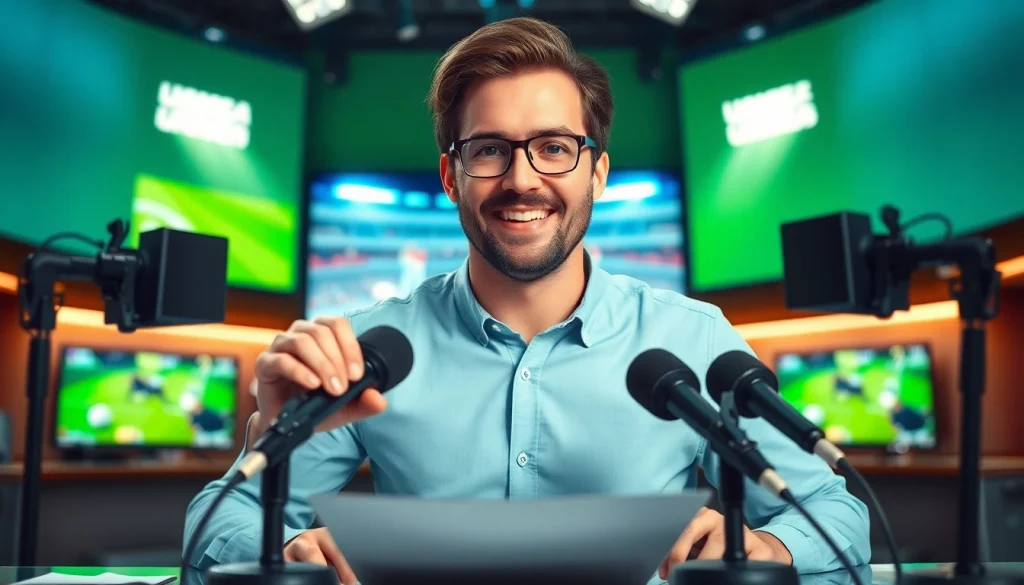
Understanding the Fundamentals of Sports Broadcasting
Sports Broadcasting is a dynamic and multifaceted field that combines storytelling, technical skills, and a deep understanding of various sports. To engage audiences effectively, broadcasters must wear many hats, from analyst to performer. Whether on television, radio, or digital platforms, the role of a sports broadcaster goes beyond mere reporting; it involves crafting a narrative that captivates viewers. As the landscape of Sports Broadcasting evolves, understanding its core elements becomes increasingly essential.
Key Roles in Sports Broadcasting
Sports Broadcasting is comprised of several critical roles, each contributing uniquely to the overall presentation. These roles include:
- Play-by-play Commentators: They provide real-time descriptions of the action, keeping viewers informed of what is happening during the game.
- Color Commentators: These analysts provide expert insight, background information, and context, enriching the viewer’s experience.
- Producers: They oversee the entire broadcasting operation, from camera angles to sound and graphics, ensuring a seamless presentation.
- Technicians: Responsible for maintaining broadcasting equipment and technology, ensuring everything functions properly during broadcasts.
- Reporters: They gather information and conduct interviews, bringing additional stories and angles to the audience.
The Evolution of Sports Broadcasting Technologies
The evolution of technology has influenced Sports Broadcasting significantly. From the early days of radio to today’s high-definition telecasts, technological advancements have transformed how sports are consumed:
- Radio: The first form of sports broadcasting, allowing fans to follow games remotely.
- Television: Introduced visuals, revolutionizing sports viewership with real-time imagery and color broadcasts.
- Satellite Transmission: Expanded coverage and reach, bringing international sports events into local homes.
- Digital Streaming: Platforms like Netflix and Amazon Prime have begun to shift traditional viewing patterns.
- Real-Time Data Analytics: Offers immediate stats and insights, enhancing viewer understanding and engagement.
Essential Skills for Sports Broadcasters
Success in Sports Broadcasting requires a combination of innate talent and cultivated skills:
- Communication: Clear, engaging delivery is critical for captivating audiences.
- Storytelling: Crafting compelling narratives keeps viewers invested in the game.
- Analytical Skills: Broadcasters must analyze stats and situational dynamics to provide insightful commentary.
- Technical Proficiency: Familiarity with broadcasting equipment is essential for smooth operations.
- Teamwork: Collaboration with producers and technicians is vital for a cohesive broadcast.
Techniques for Effective Sports Commentary
Effective sports commentary requires a blend of skills and strategies that can enhance the viewer experience significantly. Here are key techniques for providing effective commentary:
Developing Your Unique Voice in Sports Broadcasting
In a sea of commentators, developing a unique voice helps broadcasters stand out. This means finding a personal style that reflects an individual’s personality while resonating with audiences. Practicing delivery, experimenting with tone and pace, and listening to feedback can help broadcasters refine their voice. Authenticity and genuine passion for sports are essential in engaging viewers and building a loyal following.
Engaging Audiences with Compelling Storytelling
Beyond game analysis, sports broadcasters are storytellers at heart. Engaging audiences through storytelling can elevate a game broadcast from mere commentary to an unforgettable experience. This can be achieved by:
- Highlighting Personal Narratives: Sharing players’ backstories and challenges can create emotional connections.
- Building Context: Providing historical or situational context around a match can deepen viewers’ understanding.
- Weaving Dramatic Moments: Capturing climactic points of the game can enhance excitement and anticipation.
Using Statistics and Analysis to Enhance Commentary
Today’s audiences expect in-depth analysis supported by data. Effective broadcasters know how to weave statistics seamlessly into their commentary without overwhelming viewers. Using tools like instant replay and data visualization can help clarify complex plays and strategies. The key is not just to present numbers but to interpret them meaningfully, translating data into insights that enhance the viewing experience.
Trends Shaping the Future of Sports Broadcasting
As technology evolves, the future of Sports Broadcasting is being reshaped, impacting how sports are delivered and consumed. Current trends include:
The Impact of Streaming Services on Broadcasting
Streaming platforms are changing how audiences access sports content. Traditional broadcasters are competing with industry disruptors, offering exclusive content and on-demand viewing options. This shift not only allows for flexibility in viewing habits but also encourages broadcasters to innovate in how they engage audiences, potentially enhancing the overall experience.
Integrating Social Media and Interactivity in Broadcasts
Social media has transformed viewer engagement, with instant feedback and interaction becoming the norm. Broadcasters are increasingly using platforms like Twitter and Instagram during live events to gauge audience reactions, conduct polls, and engage in real-time discussions. This strategy not only fosters community but also keeps viewers addressed and excited about broadcasts.
Future Technologies: Virtual and Augmented Reality in Sports
Virtual and augmented reality technologies promise to create immersive viewing experiences. By allowing fans to experience a game from unique perspectives or enhancing live broadcasts with additional data overlays, these technologies may significantly enhance engagement. As this technology becomes more accessible, its application in Sports Broadcasting is expected to grow.
Common Challenges in Sports Broadcasting
While rewarding, Sports Broadcasting comes with its own set of challenges. Successful broadcasters must navigate these hurdles effectively:
Overcoming Performance Anxiety on Live Broadcasts
Live broadcasts can induce significant anxiety, which, if unchecked, may affect performance. Broadcasters can combat anxiety through preparation, practice, and visualization techniques. Engaging in simulcast opportunities and rehearsing in less intense settings can help build confidence. Moreover, remembering that errors are part of live broadcasting can help reduce pressure.
Managing Technical Issues During Live Events
Technical difficulties are an unavoidable aspect of live broadcasting. Broadcasters must be prepared with contingency plans, including maintaining communication with the production team and promptly addressing any issues. Training in technical skills and understanding equipment can also help, reducing dependency on technicians during broadcasts.
Addressing Criticism and Viewer Feedback Effectively
Criticism is inherent in the media landscape, and sports broadcasters are not exempt. Addressing feedback constructively is crucial for personal and professional growth. Acknowledging valid points while remaining confident in one’s expertise can bolster credibility. Engaging in thoughtful public dialogues can also reinforce trust and show audiences that their opinions are valued.
Evaluating Performance in Sports Broadcasting
Continuous self-evaluation and feedback are vital for growth in Sports Broadcasting. Here are some effective methods for assessing performance:
Key Metrics for Measuring Broadcast Success
Metrics such as viewership numbers, audience retention rates, and social media engagement can offer valuable insights into a broadcast’s success. Analyzing these metrics helps broadcasters understand audience preferences and improve future broadcasts. Gathering qualitative feedback through viewer surveys can also provide deeper insights into specific aspects of the commentary.
Feedback Loops: Learning from Each Broadcast
Creating feedback loops involves reflecting on each broadcast, noting areas for improvement, and seeking input from colleagues and viewers. Regular self-review of recordings can highlight strengths and areas needing attention. Establishing a feedback network with trusted peers can cultivate continual improvement and growth.
Networking and Building Relationships in the Industry
Building relationships within the industry can lead to opportunities for collaboration, mentorship, and career advancement. Attending industry events, participating in online forums, and connecting with others on social media can aid in networking efforts. Strong professional relationships enhance reputation and open doors to new broadcasts or roles within the industry.
Frequently Asked Questions
What skills are necessary for a career in sports broadcasting?
Key skills include strong communication abilities, storytelling talent, analytical thinking, and technical proficiency with broadcasting instruments.
What is the role of a color commentator?
A color commentator delivers analysis and insights during broadcasts, providing context and in-depth sport knowledge to complement the play-by-play coverage.
How has technology influenced sports broadcasting?
Technology has enriched viewing experiences through high-definition visuals, instant replays, and real-time statistics, changing how audiences interact with content.
What challenges do sports broadcasters often face?
Common challenges include live performance anxiety, technical problems, and managing audience expectations while responding to feedback effectively.
What is the importance of audience engagement in sports broadcasting?
Engaging audiences is essential for building a loyal fan base, increasing interest, and enhancing overall viewer satisfaction, especially in interactive mediums.